

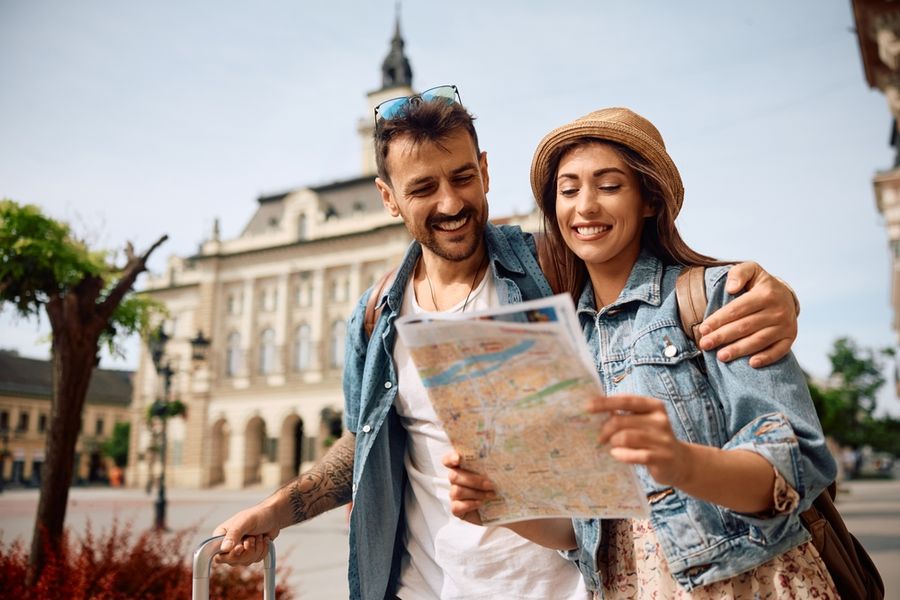
Travel planning plays an important role in shaping the overall travel experience. Organized preparation supports smoother transitions, clearer expectations, and reduced stress throughout the journey. Simple planning habits improve comfort, flexibility, and confidence before departure. When travel details are thoughtfully arranged in advance, attention can remain on enjoyment rather than logistics. Realistic planning and clear priorities help trips feel balanced, manageable, and more rewarding from the first day through the final return home.
Setting Realistic Travel Goals
Effective travel planning begins with clear and realistic goals that align with available time and personal priorities. Understanding the purpose of the trip helps guide decisions about pace, activities, and expectations. Time availability, energy levels, and interests all influence how much can reasonably fit into a schedule. Clear goals prevent overloading itineraries and reduce the pressure to see or do everything.
Prioritizing experiences helps manage expectations and supports enjoyment. Selecting a few key activities allows time to fully appreciate each experience without rushing. Allowing down time between plans supports rest and flexibility. Realistic travel goals create space for enjoyment, reduce fatigue, and improve overall satisfaction throughout the trip.
Organizing Travel Details Early
Early organization plays a key role in reducing last-minute stress and uncertainty . Booking transportation and accommodations in advance supports better availability and allows time to compare options. Keeping confirmation details organized simplifies preparation and reduces confusion closer to departure. Early planning also provides flexibility if changes or adjustments are needed.
Storing important documents both digitally and physically improves access during travel. Clear organization prevents misplaced information and unnecessary delays. Early preparation supports confidence by eliminating rushed decisions. Organized travelers often experience smoother departures and more relaxed travel days. Having details easily accessible also makes it easier to respond calmly if plans shift.
Creating a Flexible Itinerary
Flexible itineraries support relaxation by allowing room for adjustment. Scheduling buffer time between activities reduces pressure and accommodates delays. Open periods in the schedule create opportunities for rest, exploration, or spontaneous plans. Flexibility helps travelers respond calmly when plans change.
Overplanning can reduce enjoyment by creating constant urgency. Balancing structure with freedom allows trips to feel less rigid and more enjoyable. Adjusting plans as needed supports comfort and energy management. Flexible schedules encourage a more relaxed travel pace and a better overall experience. This approach helps travelers stay engaged without feeling overwhelmed.
Packing With Simplicity in Mind
Simple packing supports ease, mobility, and comfort throughout a trip. Packing only essential items reduces physical burden and makes transportation easier. Versatile clothing and multi-use items support adaptability across different situations. Organized packing also saves time when accessing belongings.
Avoiding overpacking improves comfort and reduces stress. Packing lists help prevent forgetting important items while discouraging unnecessary extras . Keeping luggage manageable supports smoother travel days and easier transitions. Thoughtful packing promotes confidence and allows travelers to focus on experiences rather than logistics. A simplified approach also makes unpacking and repacking far more efficient during the journey.
Managing Expectations During Travel
Managing expectations plays an important role in maintaining calm and enjoyable travel experiences. Travel often involves change, adjustment, and unpredictability. Delays, schedule changes, and minor inconveniences are common parts of the journey. Accepting that not everything will go exactly as planned helps reduce frustration and stress.
Staying adaptable supports enjoyment when plans shift. Focusing on positive moments and small successes improves perspective. Letting go of rigid expectations allows travelers to respond more calmly to challenges. A balanced mindset encourages relaxation and helps maintain enjoyment even during unexpected situations.
Traveling With Ease and Enjoyment
Traveling with ease begins with thoughtful planning and realistic preparation. Organization supports flexibility and comfort throughout the journey. Clear priorities help reduce decision fatigue and unnecessary pressure. Organized travelers often experience smoother transitions and greater peace of mind.
Easy planning encourages enjoyment by reducing stress before departure. Thoughtful habits improve confidence and adaptability during travel. Relaxed preparation supports meaningful experiences and better engagement with destinations. With balance and intention, travel becomes more enjoyable, comfortable, and fulfilling from start to finish. These practices help travelers stay present and appreciate each moment along the way. By approaching travel with patience, preparation, and flexibility, travelers create space for enjoyment while reducing unnecessary pressure, allowing each trip to feel more balanced, memorable, and personally rewarding overall.