

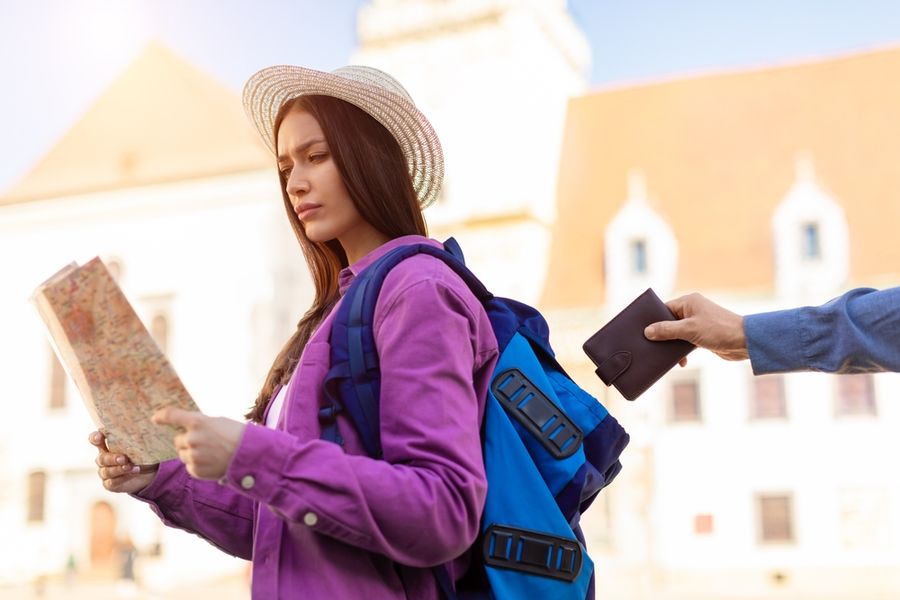
Travel safety plays an important role in creating positive and stress-free experiences. Awareness, preparation, and practical habits help reduce risks while away from home. Whether traveling domestically or internationally, safety considerations influence comfort, confidence, and overall enjoyment. Situational awareness, thoughtful planning, and simple precautions support smoother experiences. When safety is prioritized, travelers are better equipped to handle unexpected situations while focusing on exploration, relaxation, and meaningful experiences throughout every stage of the journey.
Preparing for Safety Before Departure
Safety preparation begins well before departure and sets the tone for the entire trip. Reviewing travel plans, transportation details, and accommodation information helps reduce uncertainty and prevent last-minute confusion. Keeping copies of important documents such as identification and reservations ensures access if originals are misplaced. Sharing itineraries and contact details with trusted individuals adds an extra layer of security and reassurance .
Packing with safety in mind also supports preparedness throughout the journey. Including basic first-aid items and a list of emergency contacts helps address minor issues quickly. Ensuring devices are fully charged and accessible supports communication and navigation. Preparing contact information for accommodations, transportation providers, and local services allows for smoother problem-solving.
Staying Aware of Surroundings While Traveling
Situational awareness plays a key role in travel safety. Paying attention to surroundings helps travelers recognize potential concerns early. Awareness includes observing crowds, monitoring belongings, and noticing changes in environment. Remaining alert supports informed decision-making during transit and exploration.
Avoiding distractions during navigation supports safety. Limiting phone use in busy areas allows greater awareness of surroundings. Staying mindful in unfamiliar environments helps reduce risk. Awareness supports confidence and contributes to safer, more comfortable travel experiences.
Protecting Personal Belongings and Valuables
Protecting personal belongings is an essential part of travel safety and peace of mind. Using secure bags with zippers or anti-theft features helps reduce the risk of loss or theft. Keeping valuables close to the body, especially in crowded areas, adds another layer of protection. Spreading important items across different locations, such as separating identification from payment methods, reduces disruption if one item goes missing.
Organization also plays a key role in protecting belongings. Minimizing clutter makes it easier to notice misplaced or missing items quickly. Using locks, secure compartments, or hotel safes adds additional protection for valuables. Establishing a consistent place for essential items helps prevent accidental loss. Better organization supports confidence and reduces unnecessary stress while navigating unfamiliar environments.
Health and Personal Safety Considerations
Personal health and safety contribute significantly to overall travel comfort and well-being. Staying hydrated, eating regularly, and allowing time for rest help maintain energy levels throughout the day. Adjusting activity intensity based on climate, altitude, or physical condition prevents fatigue and discomfort. Listening to physical cues supports stamina and helps avoid overexertion.
Accessing local health resources when needed supports preparedness and reassurance. Knowing the location of pharmacies, medical clinics, or emergency services adds confidence during travel. Personal safety also includes respecting local customs, following posted guidelines, and remaining aware of surroundings. Thoughtful attention to health and safety considerations supports smoother, more comfortable travel experiences from start to finish.
Managing Transportation and Accommodation Safety
Transportation and lodging choices play a significant role in overall travel safety. Selecting reputable transportation services helps reduce uncertainty and improves reliability . Confirming ride details, departure times, and pickup locations supports smoother transitions. Staying aware during transit and keeping personal items secure reduces exposure to unnecessary risks.
Accommodation safety also benefits from simple, consistent practices. Locking doors and windows, securing valuables, and becoming familiar with emergency exits supports preparedness. Awareness in shared spaces such as lobbies or hallways adds an additional layer of protection.
Building Safe Travel Habits Over Time
Safe travel habits develop gradually through experience, awareness, and consistency. Each trip offers opportunities to refine routines and improve preparedness. Adjusting safety practices based on destination, environment, and personal comfort helps strengthen confidence. Over time, these habits become easier to maintain and more intuitive.
Prioritizing safety does not limit enjoyment or spontaneity. Thoughtful habits allow travelers to explore comfortably while remaining prepared. Consistent safety awareness supports relaxation by reducing unnecessary worry. With experience and preparation, travelers can approach each journey feeling secure, capable, and ready to enjoy meaningful travel experiences. These habits also encourage greater confidence when navigating unfamiliar situations.